The "MMJ" version of Dolphin (an optimized port for Android) was a specific fork that offered better performance on older Android devices than the official build at the time. However, development on this specific fork stopped years ago.
The defining feature of MMJ is its utilization of (specifically NEON instructions).
The major draw of Dolphin MMJ and its derivatives is the sheer performance boost they can provide, especially on lower-end hardware. Here’s a breakdown of what you can expect:
For fans of Nintendo GameCube and Wii games looking to play their favorite titles on Android devices, the official Dolphin emulator is the gold standard. However, for users with older, low-end, or less powerful hardware, the official version may struggle to deliver smooth gameplay. This is where (and its successors, MMJR and MMJR2) comes into play.
Provides a convenient in-game menu to adjust settings like emulated clock speed and hacks without exiting the game.
Last updated: 2025. Always check GitHub for the newest release.
Download the .apk file (usually named something like Dolphin_MMJR2.apk ).
Note: If you have a 64-bit device (standard for almost all modern Android phones), ensure you grab the standard 64-bit version for optimal performance. Installation Steps on Android
Once on the repository homepage, locate the section on the right side of the screen (or scroll down on mobile browsers). This section contains the compiled, ready-to-install Android Application Package (APK) files. Step 3: Choose the Correct APK
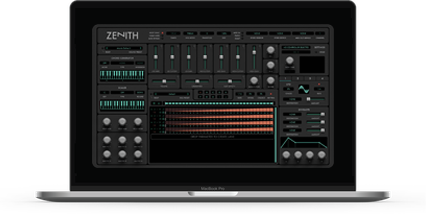
As a feature-rich MIDI processor with a host of filters, chorder, scaler, LFOs, envelopes, and 24 x 32 step sequencers controlling MIDI CCs, pitch, velocity and gate at a variety of rates - with complex tools and presets for modifying lanes. Or as a handy custom interface for simply controlling MIDI and SysEx receiving gear.
Zenith features 200+ presets, with pre-configured maps for over 100 devices and is AU / VST2 compatible for PC/Mac.
